
Lipedema and Nutrition: Why Diet Alone Doesn’t Fix the Problem
- Lauren Dyer
- Mar 10
- 4 min read


Many women who eventually discover they have lipedema spend years being told the same thing:
“Just lose weight.”
They may try multiple diets, increase exercise, and still notice that the fat distribution in their legs, hips or arms does not change in the same way as the rest of their body.
This is because lipedema is not simply a weight problem.
Lipedema is a chronic condition involving abnormal fat tissue, fluid retention and changes in connective tissue that often become more noticeable during periods of hormonal change such as puberty, pregnancy or menopause.
While nutrition cannot “cure” lipedema, the way the body processes food can significantly influence inflammation, fluid retention, pain and metabolic health.
Understanding this difference is important.
The goal of nutrition with lipedema is not simply weight loss.
Instead, the focus is on supporting the underlying physiology that influences the condition.
What Is Lipedema?
Lipedema is a disorder of adipose tissue that primarily affects women. It typically causes symmetrical fat accumulation in the legs, hips or arms, often with tenderness, swelling and easy bruising.
One of the defining characteristics is that the feet and hands are usually spared, which distinguishes it from conditions such as lymphoedema.
Many women also report symptoms such as:
• persistent heaviness in the legs
• sensitivity or pain in fatty tissue
• swelling that worsens throughout the day
• cellulite-like texture of the skin
• difficulty losing fat in affected areas despite dieting
Because lipedema is still relatively poorly recognised in many healthcare settings, it is not unusual for women to spend years searching for explanations.
Why Nutrition Still Matters in Lipedema
Although lipedema fat behaves differently from typical adipose tissue, metabolic health still plays a role in how the condition progresses.
Nutrition strategies that support the body can help address several factors commonly involved in lipedema:
• systemic inflammation
• insulin resistance
• fluid retention and lymphatic load
• connective tissue integrity
• mitochondrial energy production
These factors can influence symptoms such as swelling, fatigue and pain.
For many women, improving metabolic health can also make the condition more manageable over time.
Blood Sugar and Insulin in Lipedema
One factor that appears to influence lipedema symptoms is blood sugar stability.
When blood glucose rises rapidly after meals, insulin increases in order to move glucose into cells. Insulin is also a hormone that promotes fat storage and fluid retention in adipose tissue.
For this reason, some women with lipedema notice improvements in symptoms when their diet supports stable blood sugar levels rather than repeated glucose spikes.
This often involves building meals around:
• adequate protein
• healthy fats
• fibre-rich vegetables
• lower-glycaemic carbohydrate sources
Many people find that reducing highly processed carbohydrates and ultra-processed foods helps to reduce swelling, fatigue and inflammation.
Inflammation and Lipedema Tissue
Inflammation within adipose tissue is another factor thought to contribute to the discomfort associated with lipedema.
Dietary patterns that support anti-inflammatory pathways may therefore be helpful.
This typically includes prioritising foods rich in:
• omega-3 fats (such as oily fish)
• polyphenols (berries, herbs, olive oil)
• minerals involved in cellular metabolism
• adequate high-quality protein
At the same time, some individuals find that reducing highly processed foods, excess sugar and refined carbohydrates helps lower inflammatory load.
Lipedema and Menopause
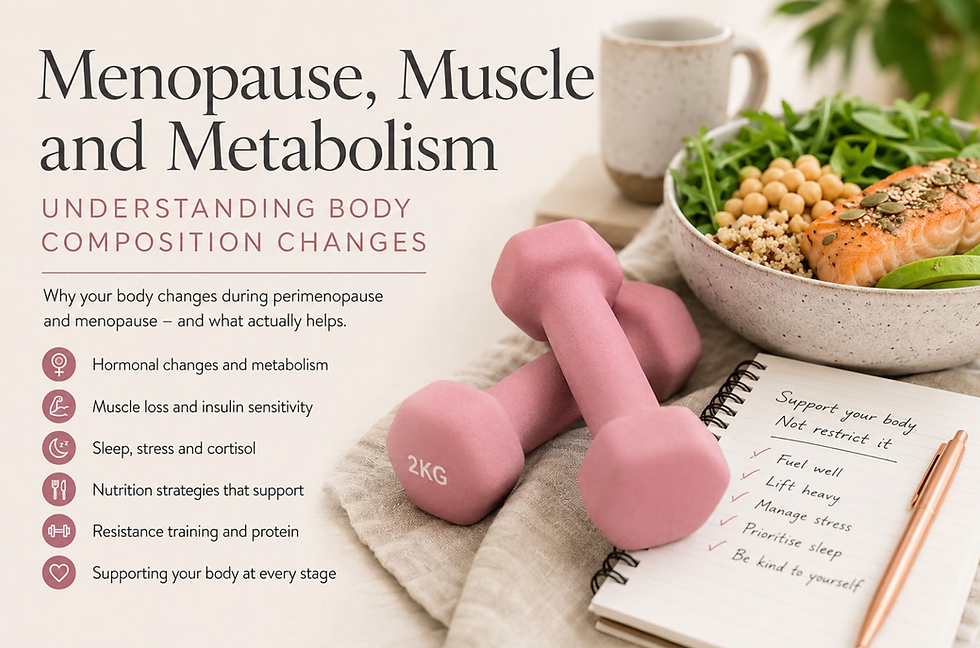
Many women begin seeking help for lipedema symptoms during their 40s and 50s, when hormonal changes associated with menopause can influence body composition and metabolic health.
During this stage of life, nutrition often needs to support several additional factors including:
• maintaining muscle mass through adequate protein intake
• supporting connective tissue integrity
• maintaining metabolic flexibility
• ensuring adequate intake of key micronutrients
These elements become increasingly important for maintaining energy levels, metabolic health and tissue resilience.
Why Lipedema Requires a Whole-Body Approach
Nutrition is only one part of managing lipedema.
Many women benefit from combining dietary strategies with approaches that support the lymphatic system and circulation, such as:
• regular walking or swimming
• compression therapy when recommended
• lymphatic massage
• good sleep and stress management
Because lipedema affects multiple systems within the body, it rarely responds to a single intervention.
When Personalised Support Can Be Helpful
One of the challenges with lipedema is that individual responses to diet can vary considerably.
Some women do well with lower-carbohydrate approaches, while others benefit from different nutritional strategies depending on their metabolic health, hormonal status and digestive function.
In clinical practice, understanding the wider physiology can be important. This may involve assessing factors such as:
• metabolic health
• digestive function
• hormonal patterns
• micronutrient status
Looking at these systems together can often provide a clearer picture of what may be contributing to symptoms.
Final Thoughts
Lipedema can be a frustrating and often misunderstood condition. Many women spend years feeling that their body is not responding to the same strategies that seem to work for others.
While nutrition alone cannot resolve lipedema, supporting metabolic health, reducing inflammation and stabilising blood sugar can often make a meaningful difference to how the body feels and functions.
For many people, the most effective approach is one that looks at the whole picture of physiology rather than focusing on weight loss alone.
Lauren Wallis Dyer
Clinical Functional Nutrition Practitioner
BSc Nutritional Biochemistry | MSc Medical Molecular Biology
DipCLN | FNTP | IFM Certified Health Coach
Lauren Wallis Nutrition – Bedfordshire
Working with clients across the UK and internationally


Comments